Silambam Introduction
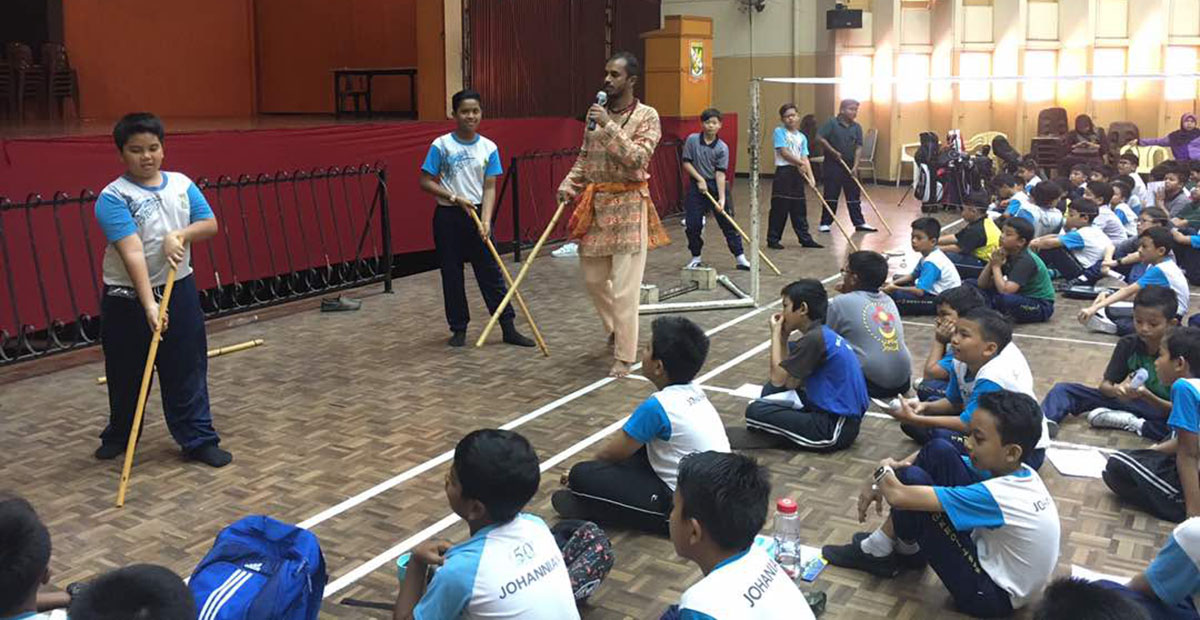
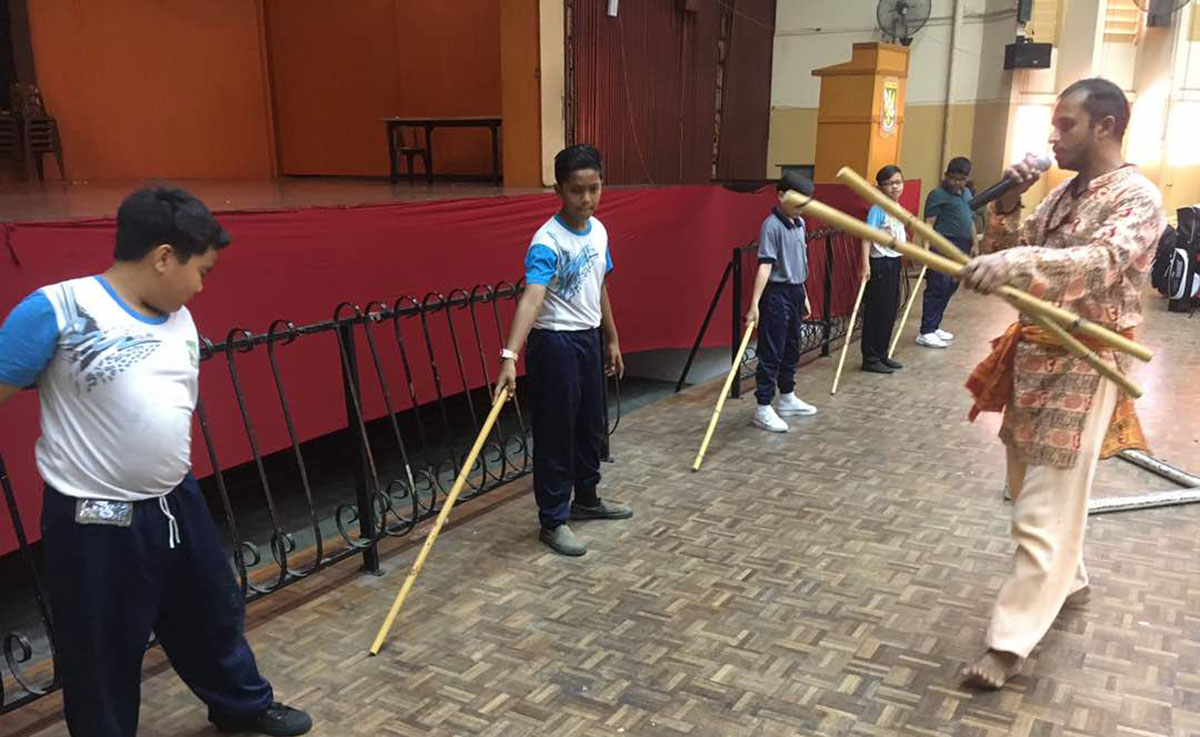
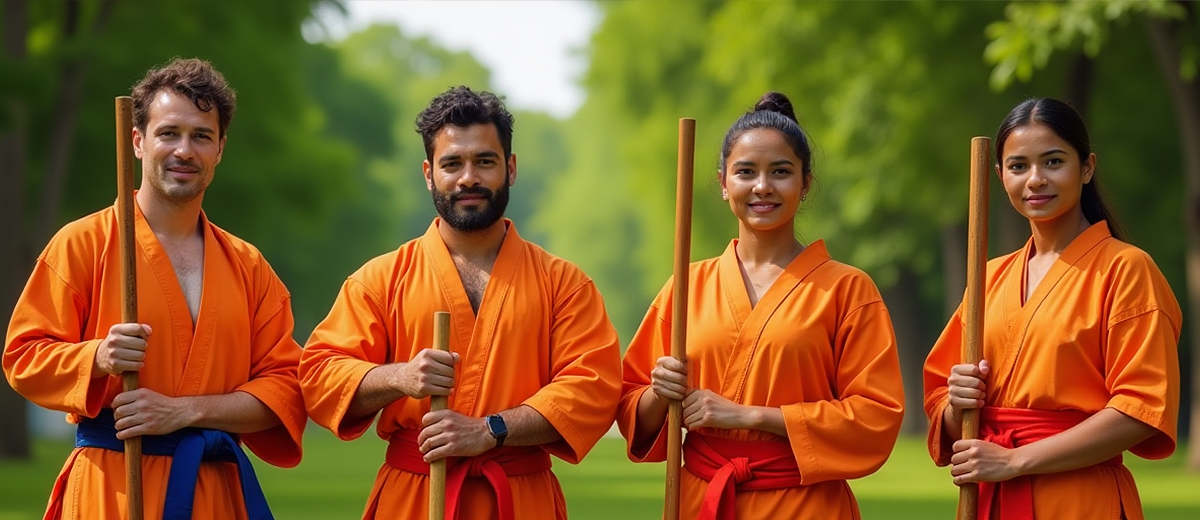
Silambam is a traditional art form originating from the Tamil region of southern India, celebrated for its graceful movements, rhythm, and precision. With roots extending into ancient Tamil literature, it represents centuries of cultural heritage, blending artistic expression with holistic development. Its practice enhances physical fitness, coordination, flexibility, and endurance, while also nurturing mental focus, mindfulness, and spiritual awareness. Silambam is suitable for people of all ages—from children and youth to adults—providing a safe, enriching way to engage the body and mind, and fostering resilience, confidence, and self-discipline in everyday life.
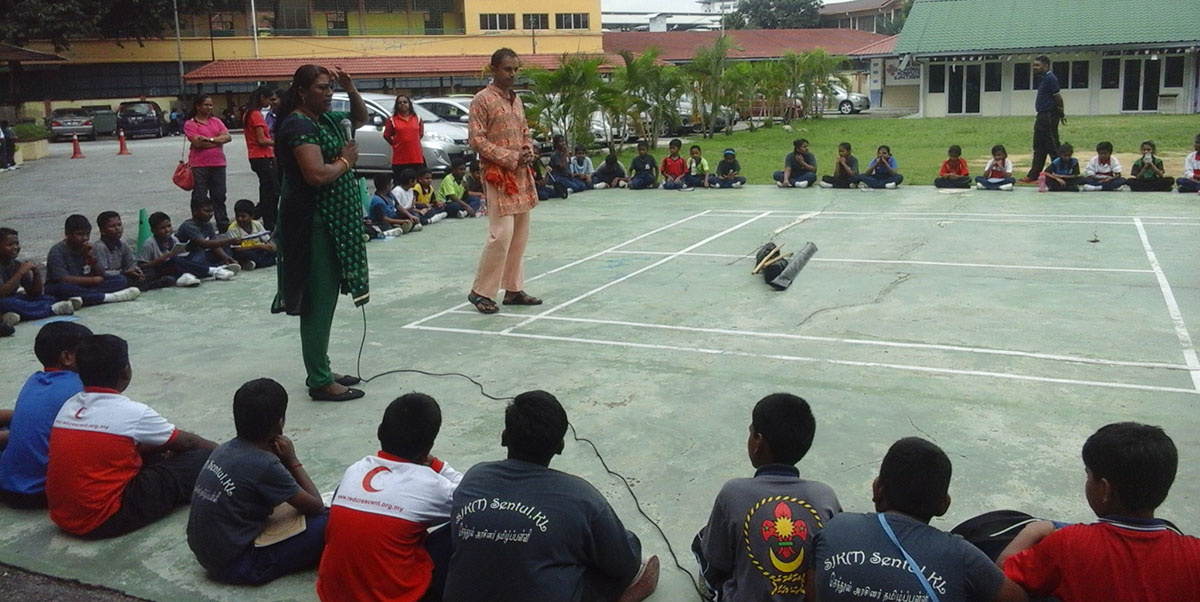
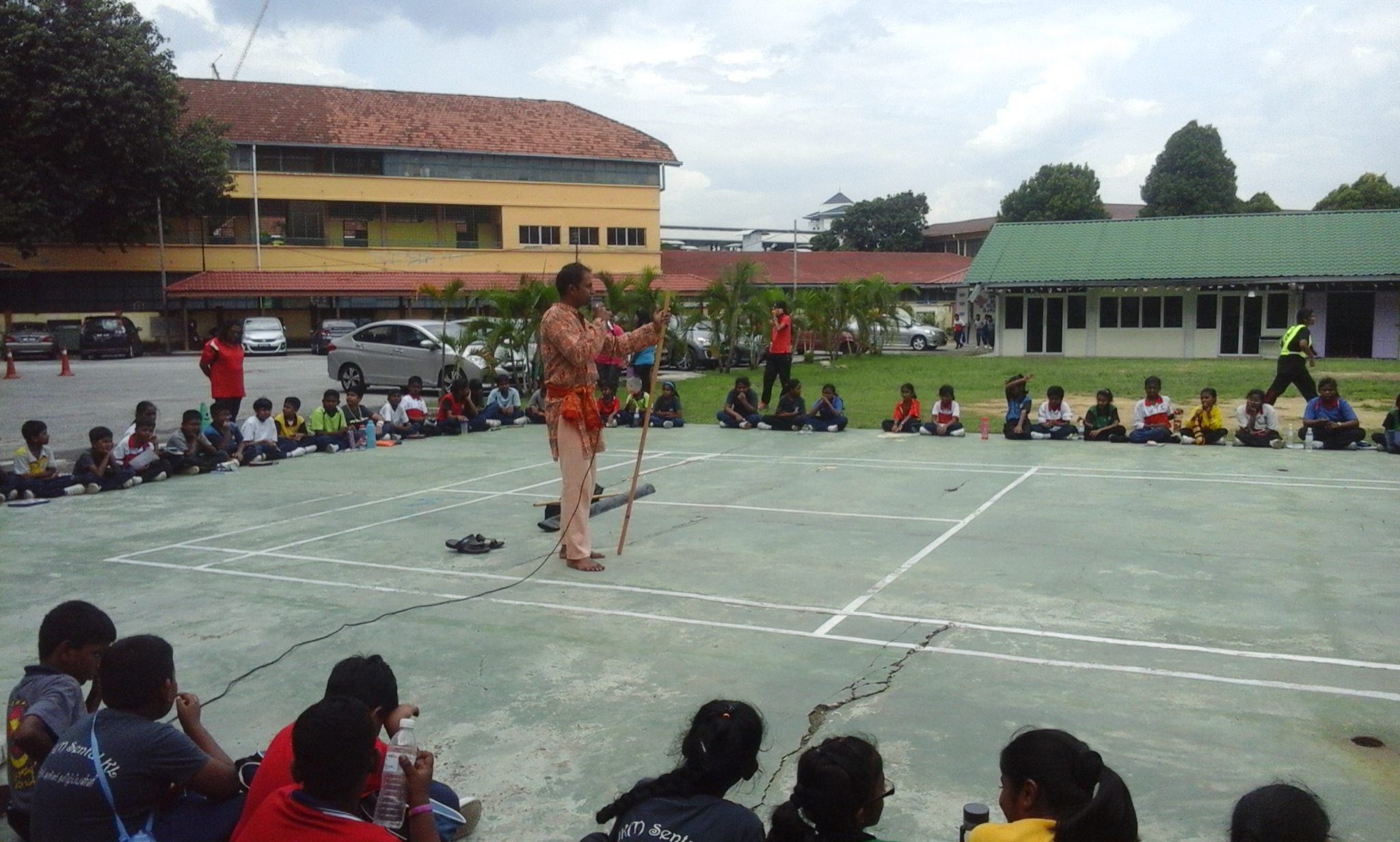
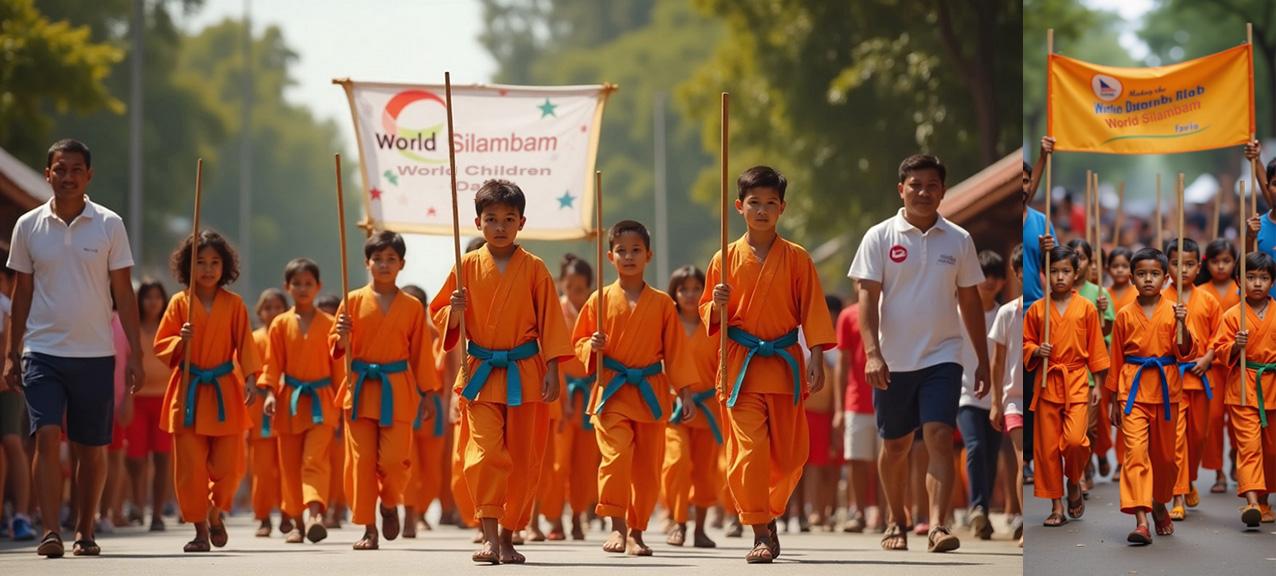
Beyond its artistic and wellness dimensions, Silambam plays a vital role in community development and social inclusion. It connects urban and rural communities, engages children and youth in schools and educational institutions, and offers programs for marginalized groups, people with disabilities, and communities facing economic challenges. By participating in structured training sessions, cultural performances, and public demonstrations, individuals gain a sense of belonging and pride in their heritage. Corporates, government agencies, and NGOs also leverage Silambam programs to promote team-building, wellness, cultural awareness, and social responsibility, making it a versatile platform for learning, collaboration, and engagement across diverse settings.
Aligned with the United Nations Sustainable Development Goals, Silambam actively supports youth empowerment, education, health, gender equality, and cultural preservation worldwide. Its programs emphasize sustainability, creativity, environmental awareness, and social cohesion, while encouraging participation in arts, sports, and educational initiatives. By fostering holistic development, Silambam inspires children, youth, adults, and communities to cultivate physical, mental, and spiritual well-being, preserve cultural heritage, and engage meaningfully in society. With its inclusive approach and global relevance, Silambam offers a transformative experience that empowers individuals and strengthens communities, encouraging people everywhere to join and embrace its enduring legacy.
Silambam and Sustainable Development Goals:
Goal 3 – Good Health and Well-being: Silambam promotes physical fitness, mental focus, coordination, and spiritual well-being for people of all ages, supporting holistic health and overall well-being.
Goal 4 – Quality Education: Through structured programs in schools, institutions, and communities, Silambam fosters inclusive and equitable education, lifelong learning opportunities, and cultural awareness for all participants.
Goal 5 – Gender Equality: Silambam encourages participation from women and girls, empowering them through cultural expression, skill development, and leadership within traditional arts and community programs.
Goal 8 – Decent Work and Economic Growth: By providing training, workshops, and community initiatives, Silambam contributes to sustained and inclusive economic growth, productive engagement, and opportunities for youth and adults in arts and culture.
Goal 9 – Industry, Innovation, and Infrastructure: Silambam supports resilient cultural infrastructure and fosters innovation in preserving, promoting, and modernizing traditional Indian arts while maintaining their authentic heritage.
Goal 13 – Climate Action: Silambam promotes environmental consciousness through the use of sustainable materials, eco-friendly training practices, and awareness of cultural heritage's role in environmental stewardship.
Goal 15 – Life on Land: Silambam emphasizes the sustainable use of natural materials, restoration of cultural landscapes, and promotion of traditions that respect and conserve forests, ecosystems, and biodiversity.
Goal 16 – Peace, Justice, and Strong Institutions: By fostering inclusive communities, cultural dialogue, and collaborative programs, Silambam promotes social cohesion, accountability, and active participation in sustainable community development.
Goal 17 – Partnerships for the Goals: Silambam collaborates with schools, local communities, government agencies, corporates, and international cultural organizations, strengthening global partnerships and promoting sustainable development through arts and education.